


Promoting Access to Justice in Herat, Afghanistan
The project aims to promote access to justice for marginalized women, youth, and children in Herat, Afghanistan, over a period of two years. It brings together legal awareness, capacity building, public outreach, professional development, and safeguarding measures to strengthen citizens’ ability to understand, claim, and protect their rights.
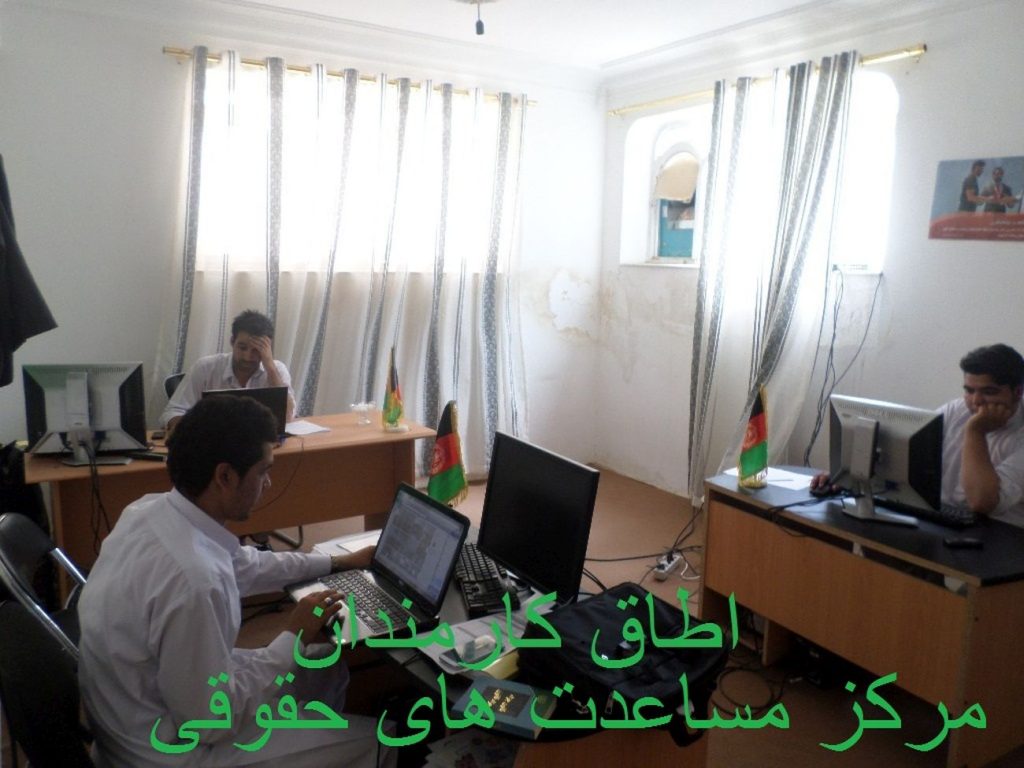
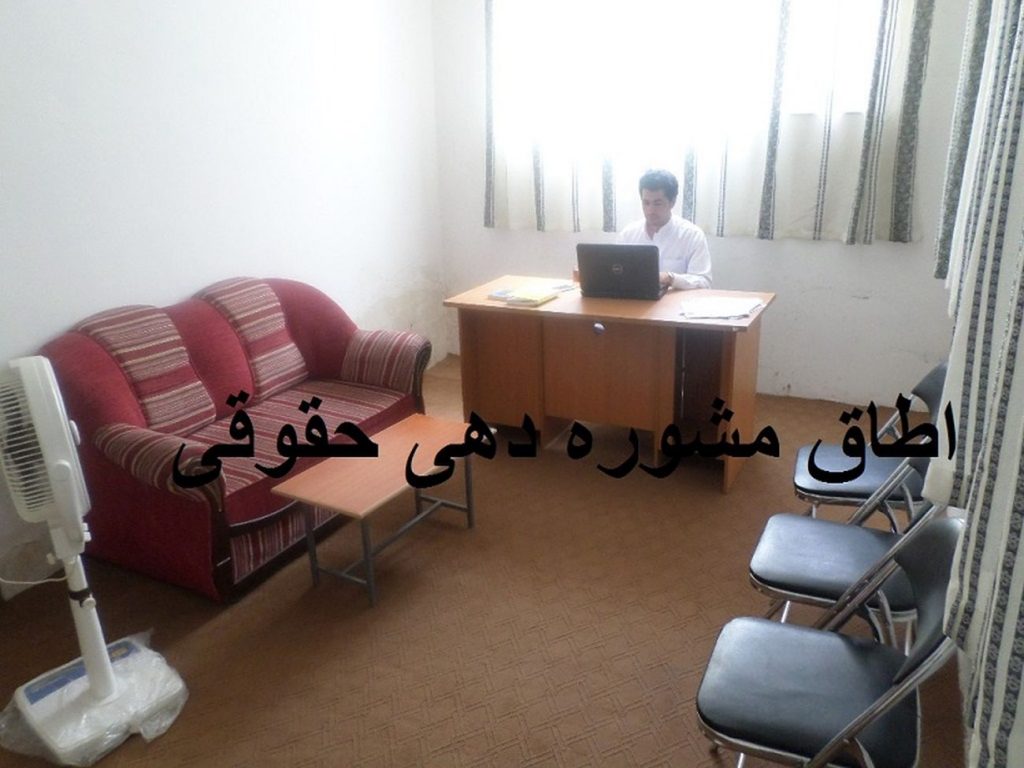
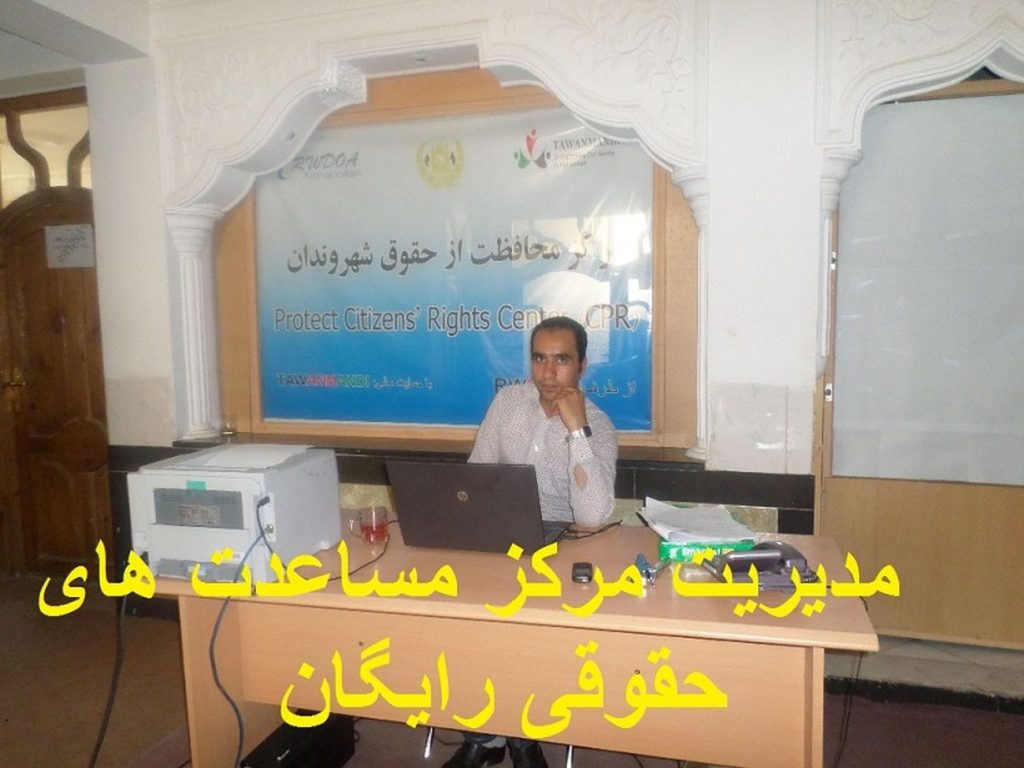
The project includes the establishment of a Citizens’ Rights Protection Center to provide legal information, guidance, counseling, and referral support. It also works with justice sector actors, civil society organizations, local authorities, students, and communities to improve access to justice and promote accountability, professionalism, and protection for vulnerable groups.
In addition, the project integrates Protection from Sexual Exploitation and Abuse – PSEA, and safeguarding principles across all activities to ensure that women, youth, children, and other community members can access services in a safe, confidential, respectful, and dignified manner.
Component 1: Improving Knowledge about Legal Issues and Access to Justice
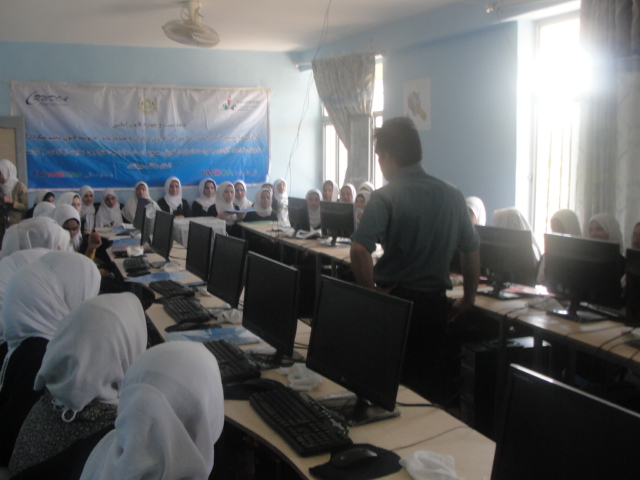
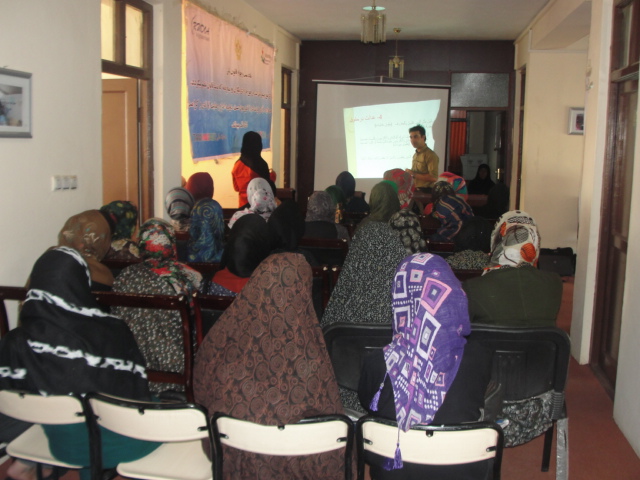
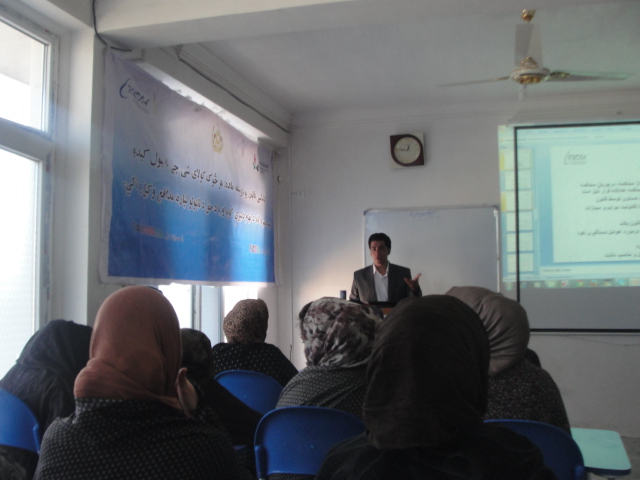
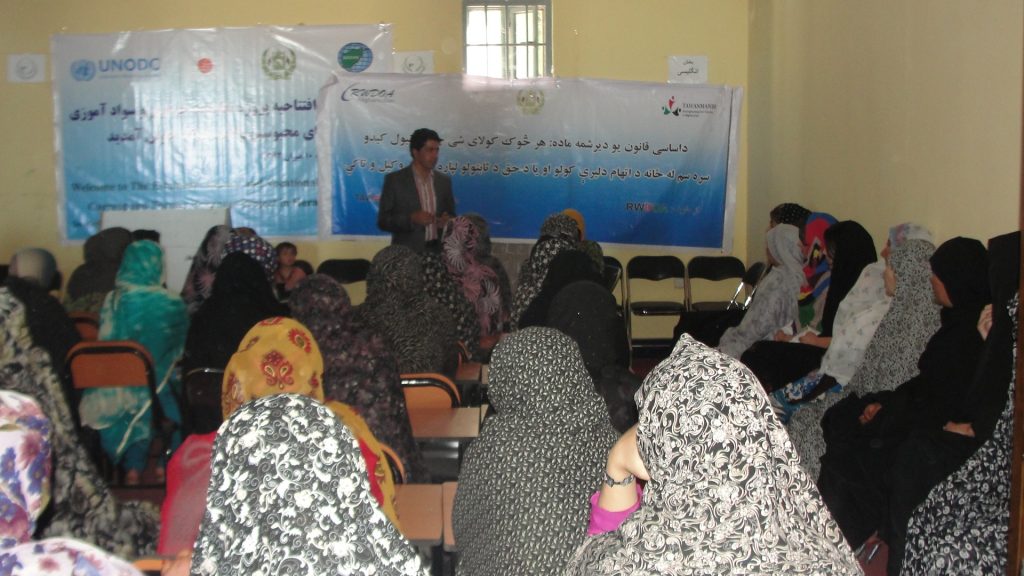
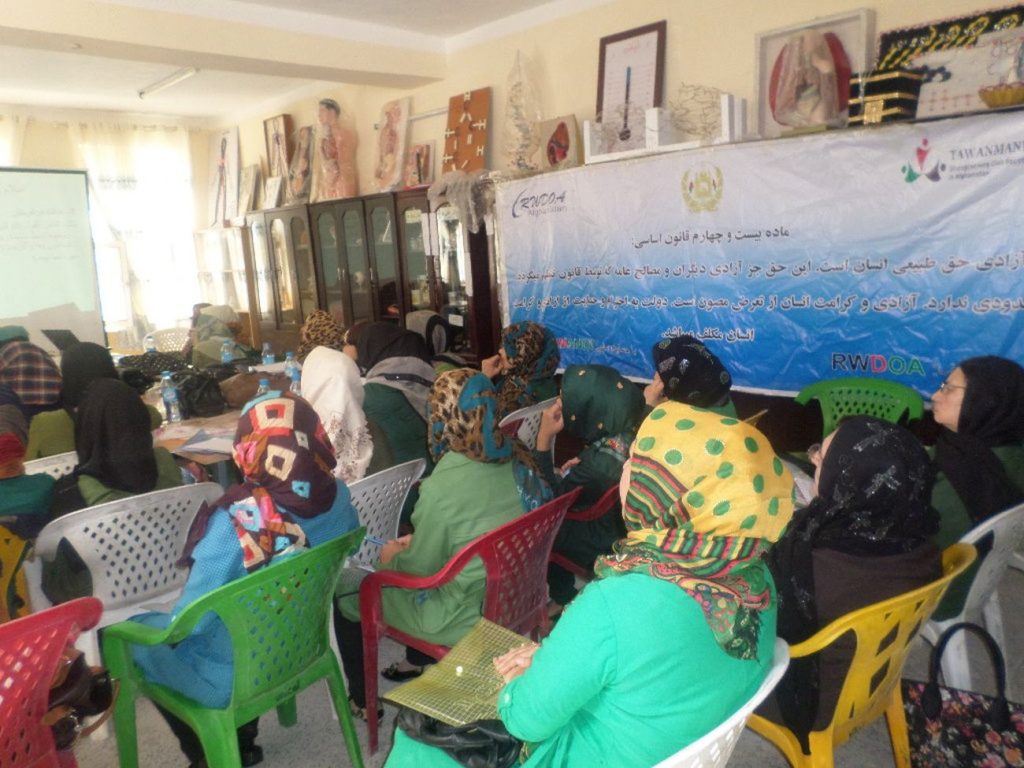
The project seeks to improve the knowledge of 4,128 marginalized women, youth, and children about legal issues and their access to justice. This will be achieved through the establishment of a legal center known as the Citizens’ Rights Protection Center.
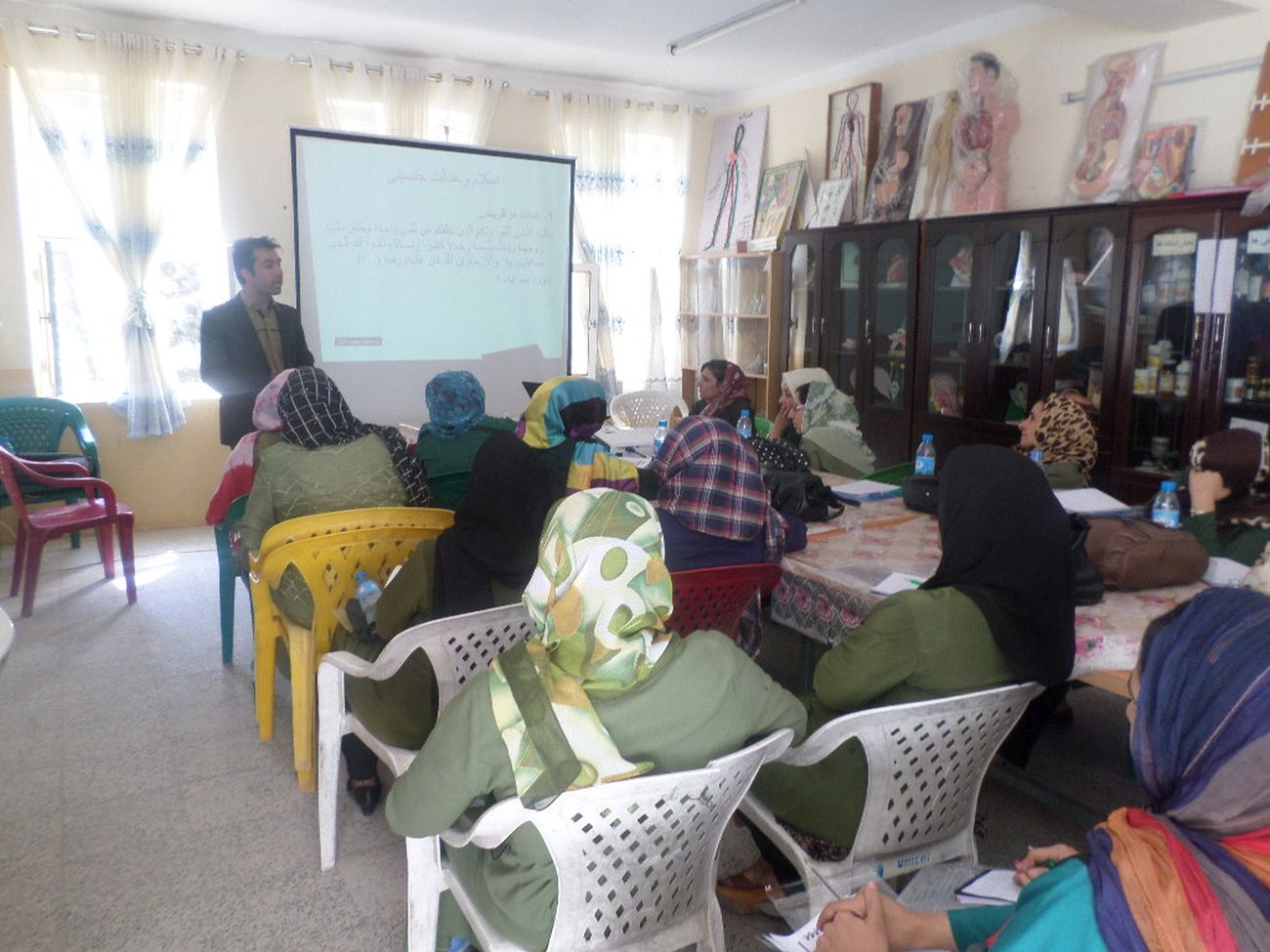
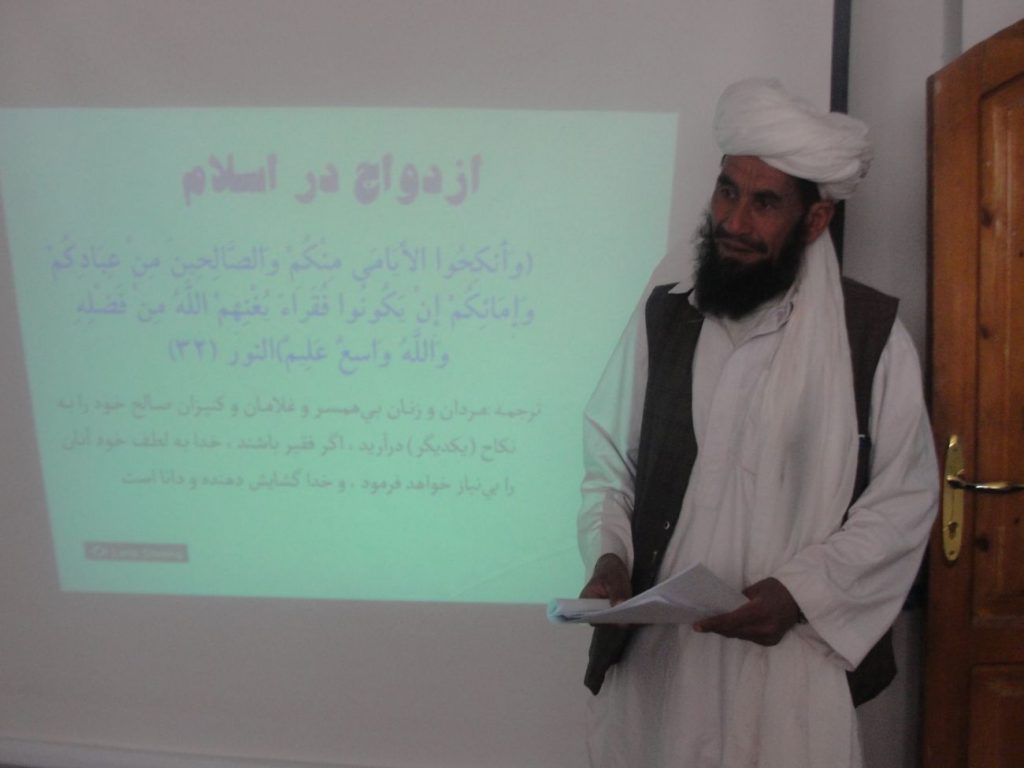
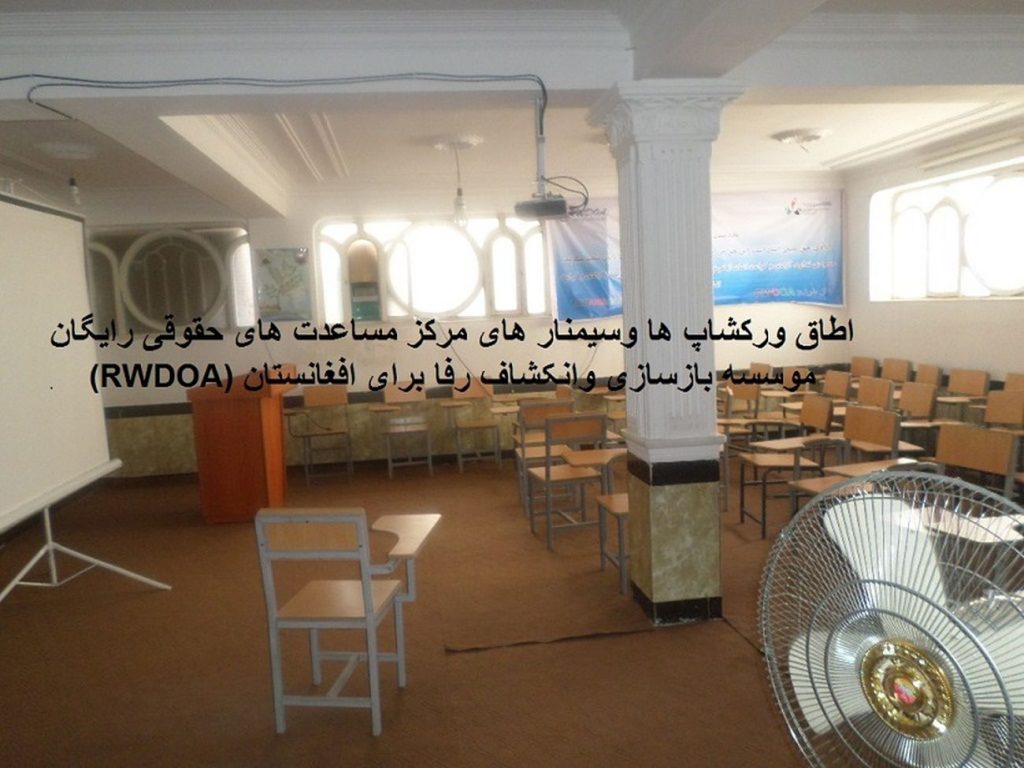
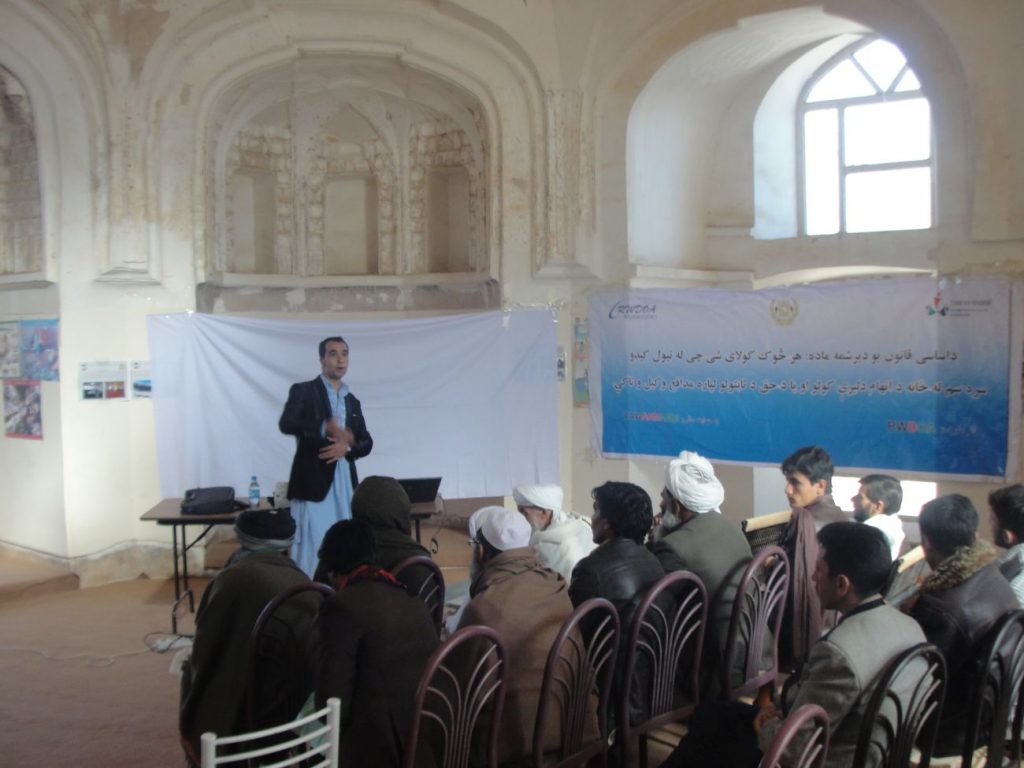
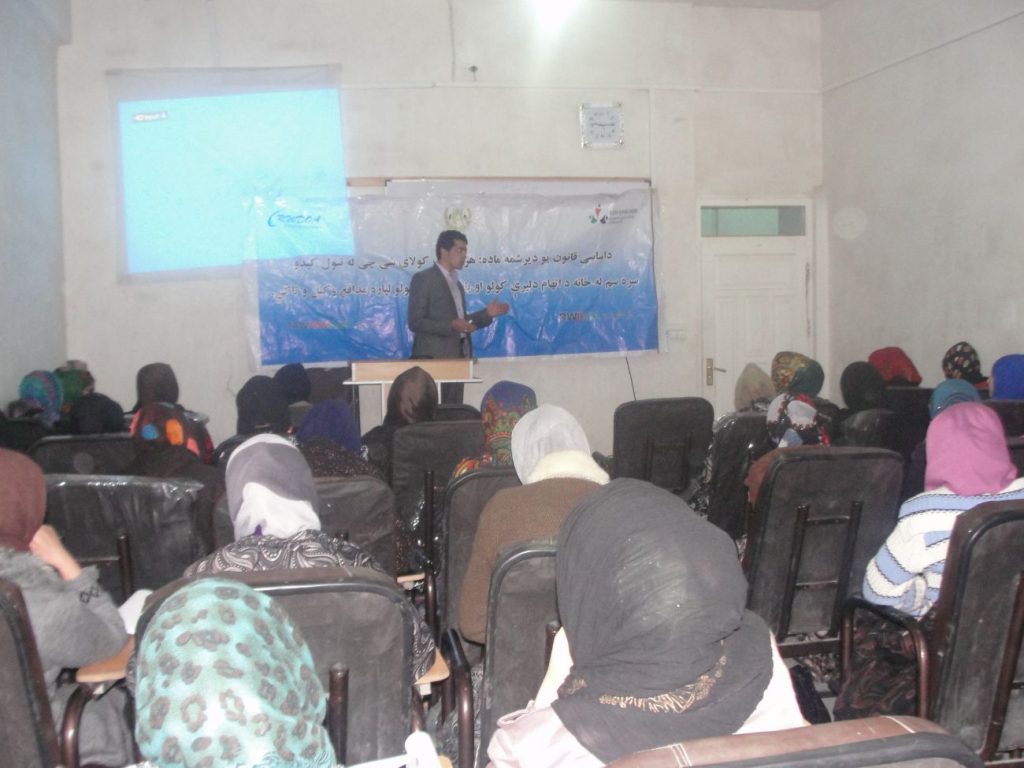
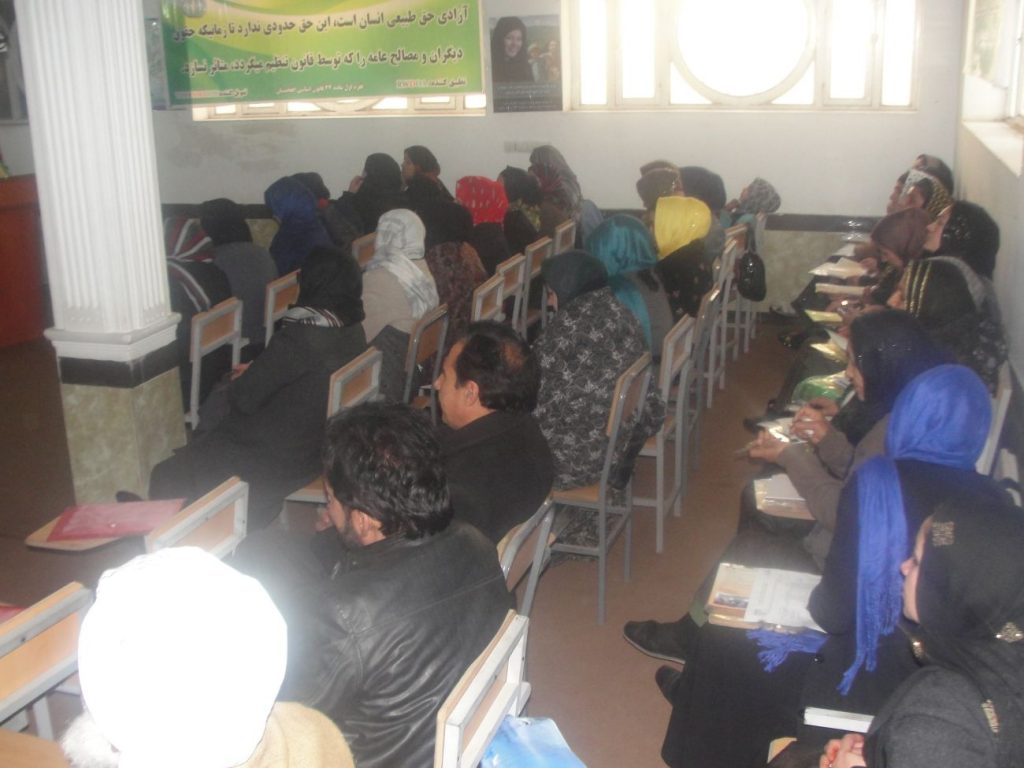
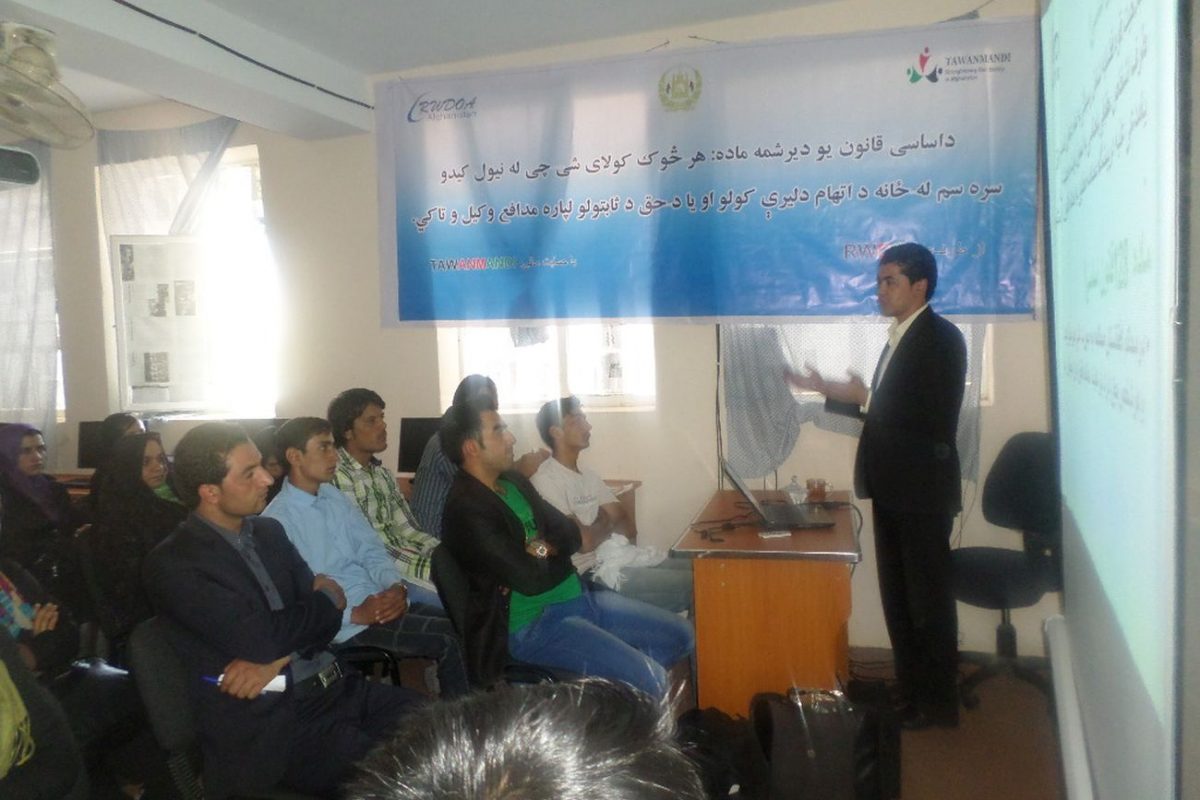
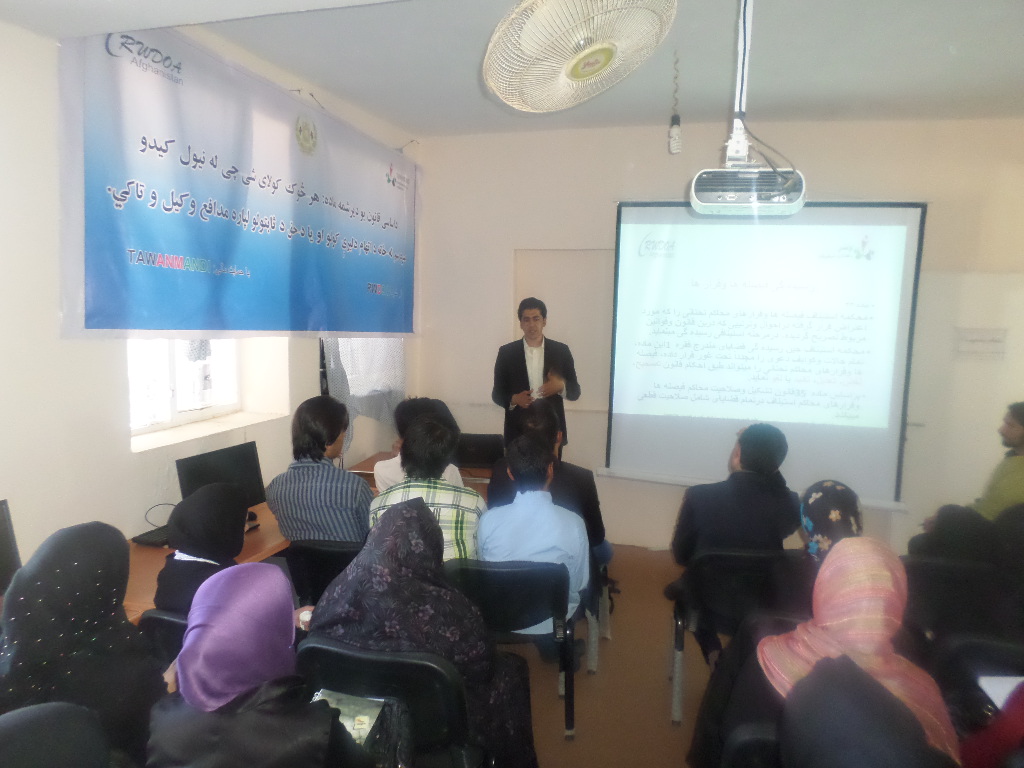
The center will serve as a resource hub where individuals can seek information, guidance, and support regarding legal matters. It will provide legal literacy sessions, workshops, counseling, and referral services to increase community understanding of legal rights and available pathways for accessing justice.
Component 2: Enhancing the Capacity of Legal Professionals and Stakeholders
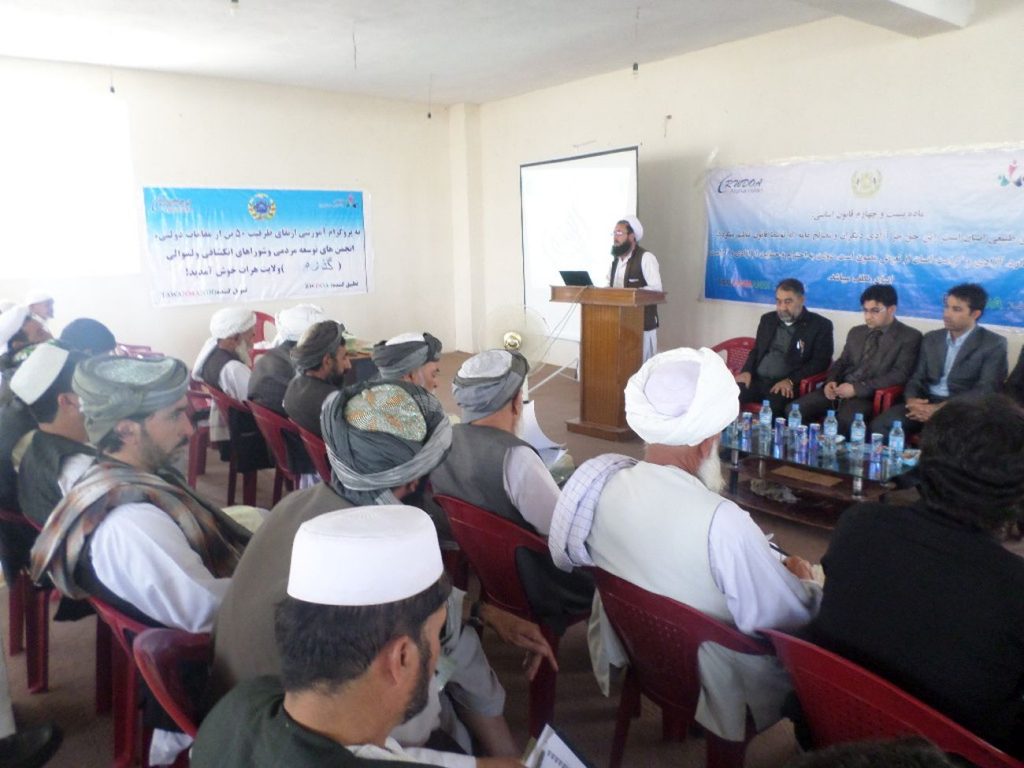
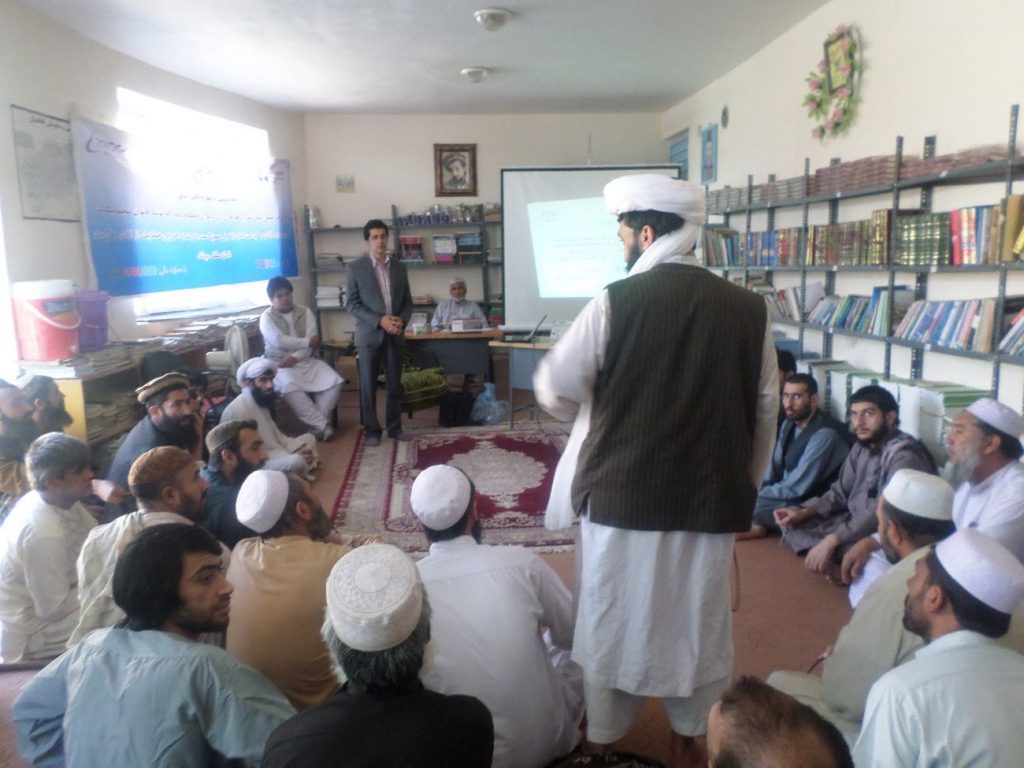
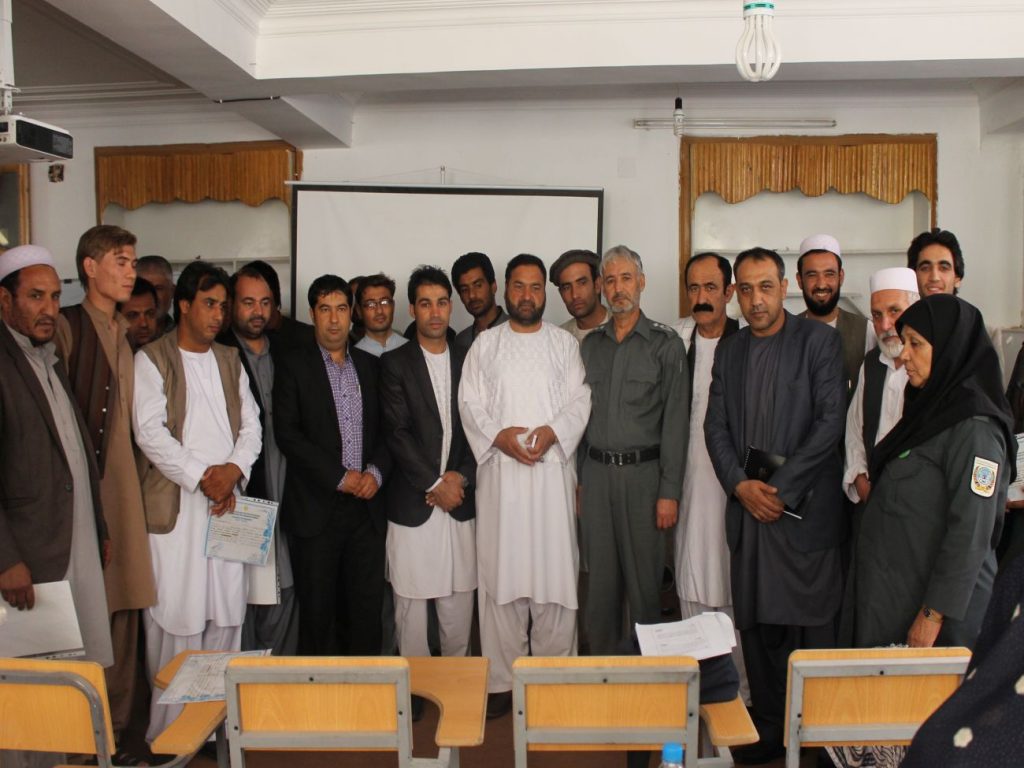
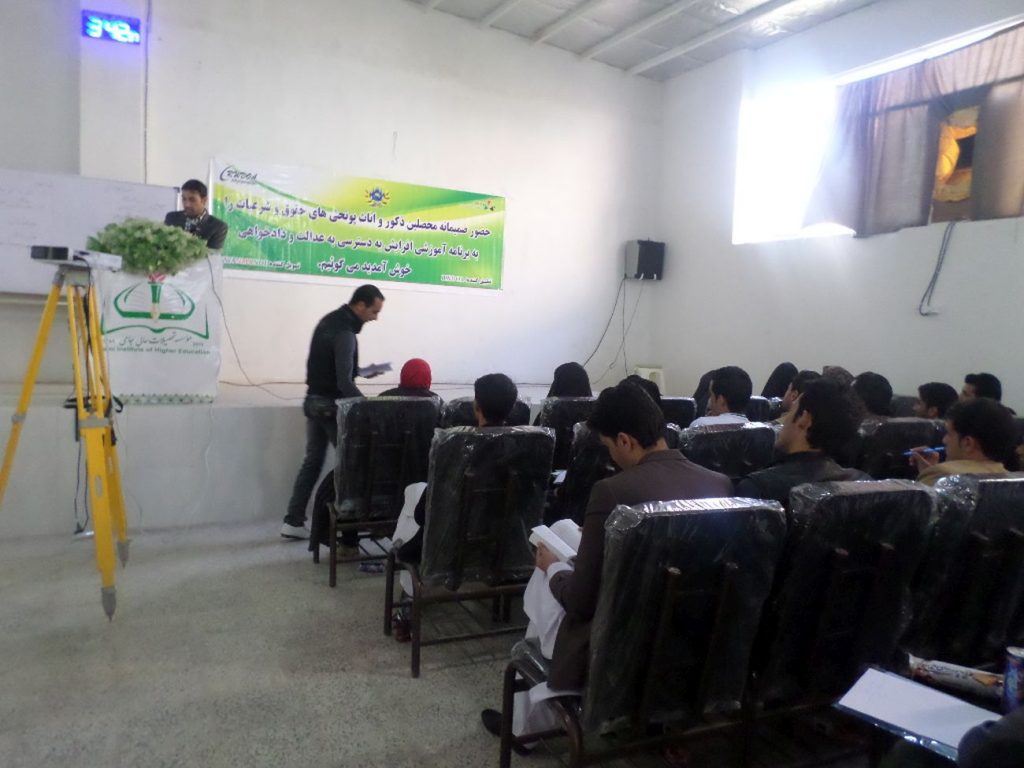
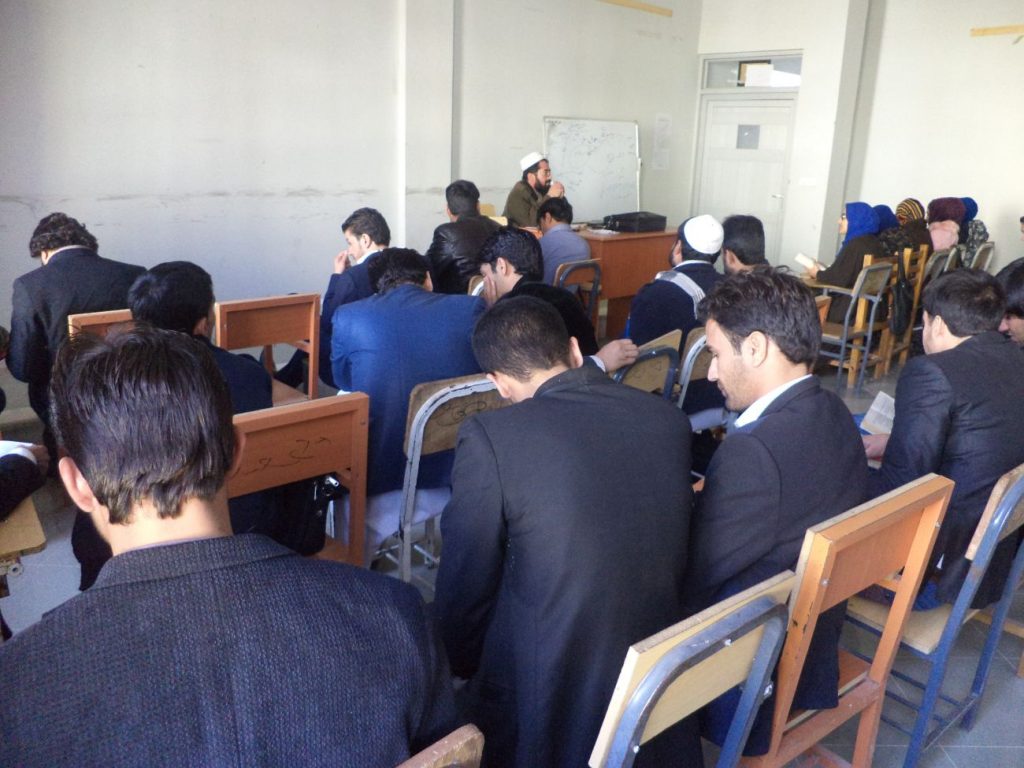
To support effective and fair delivery of justice, the project aims to enhance the capacity of 200 staff members from courts, lawyer associations, prosecution departments, prisons, and police institutions.
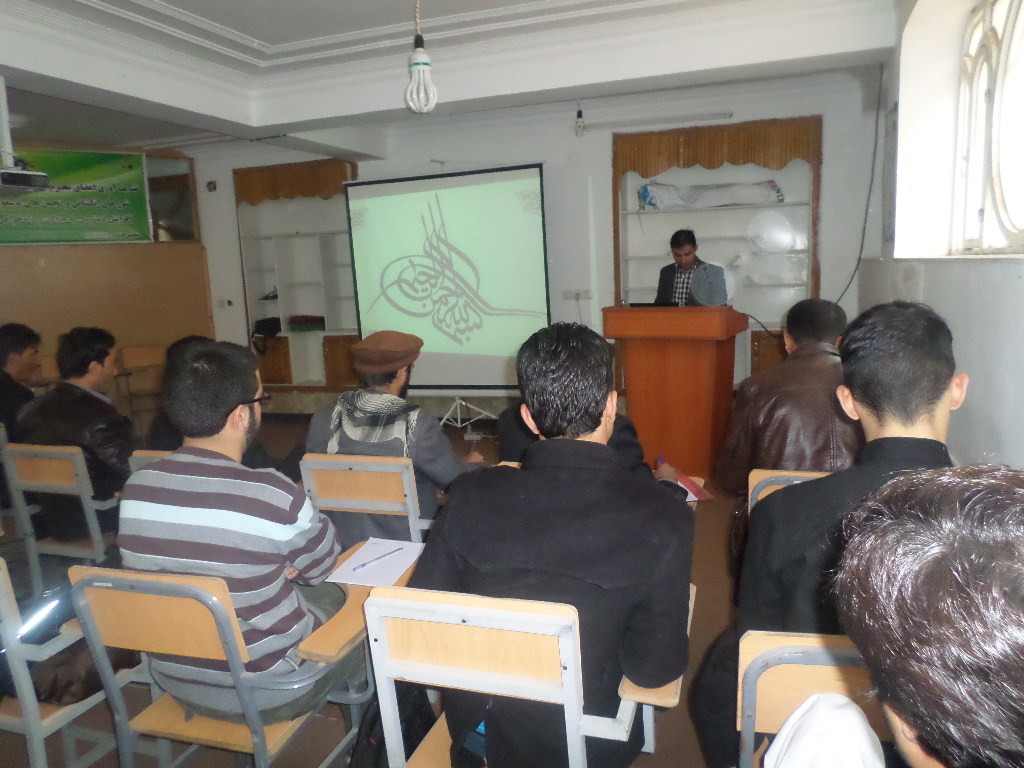
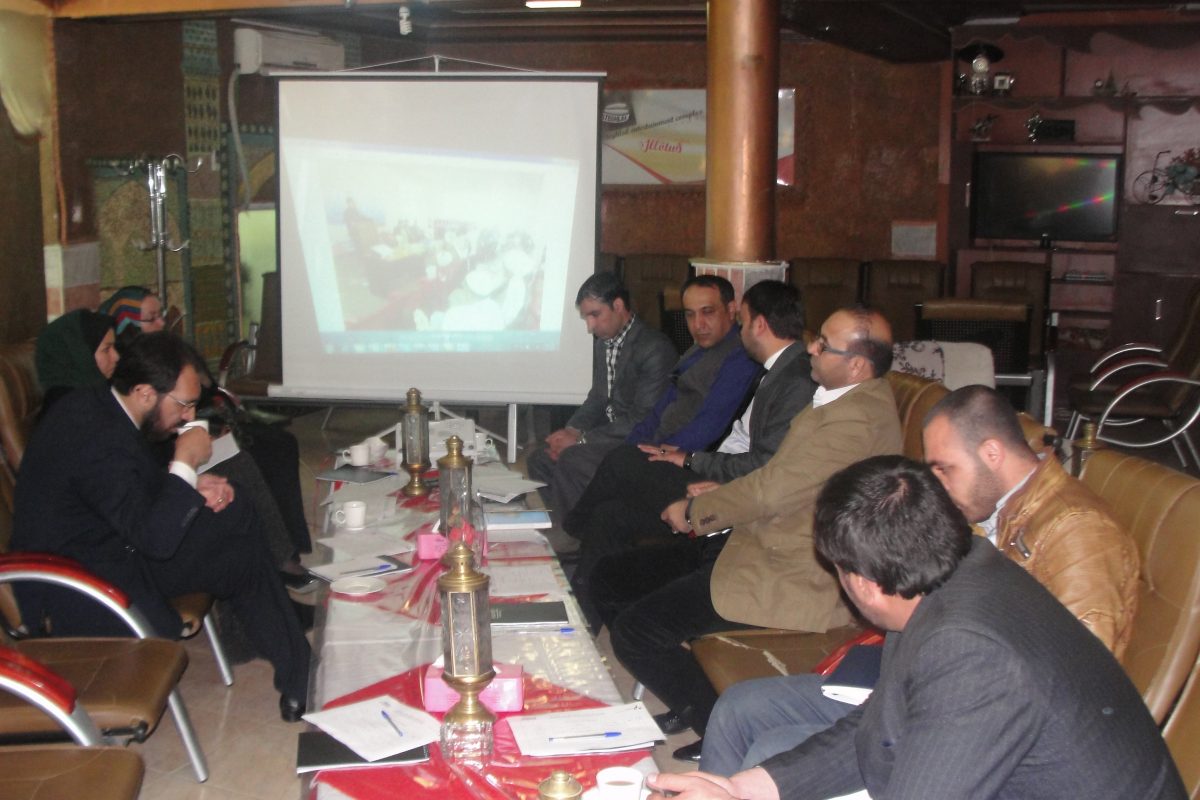
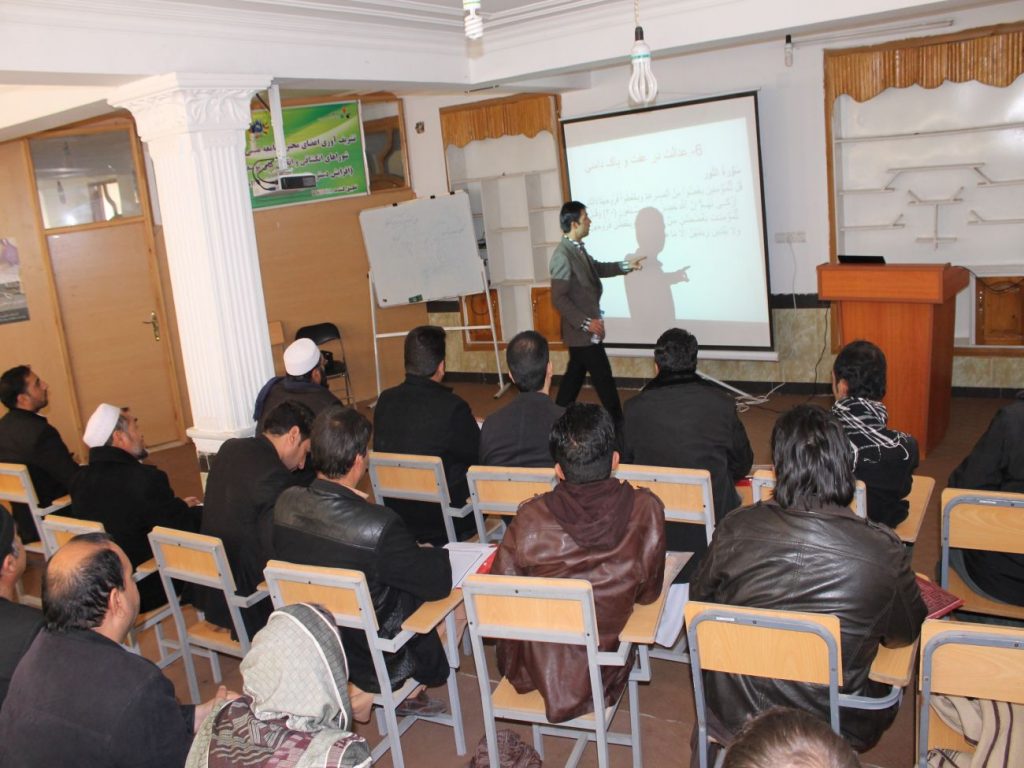
Capacity-building activities will include training sessions and quarterly interdepartmental coordination meetings in Herat City. These activities will focus on improving legal knowledge, practical skills, professional conduct, and coordination among justice sector actors, enabling them to provide better support and services to citizens seeking justice.
Component 3: Capacity Enhancement of Civil Society Organizations and Local Authorities
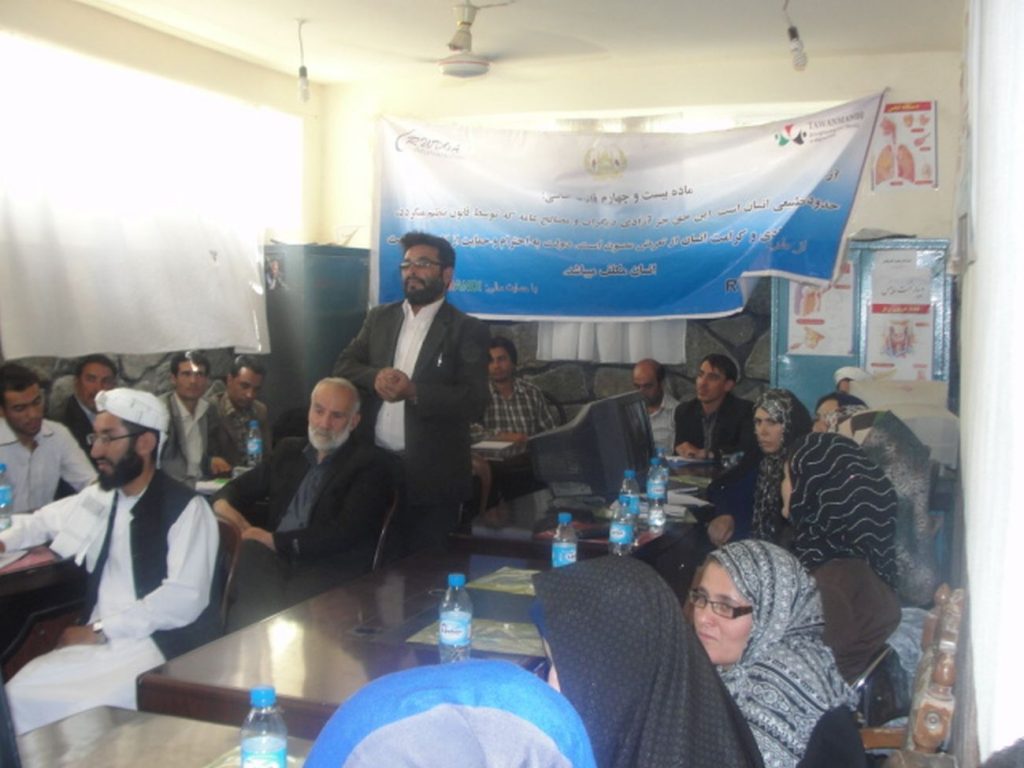
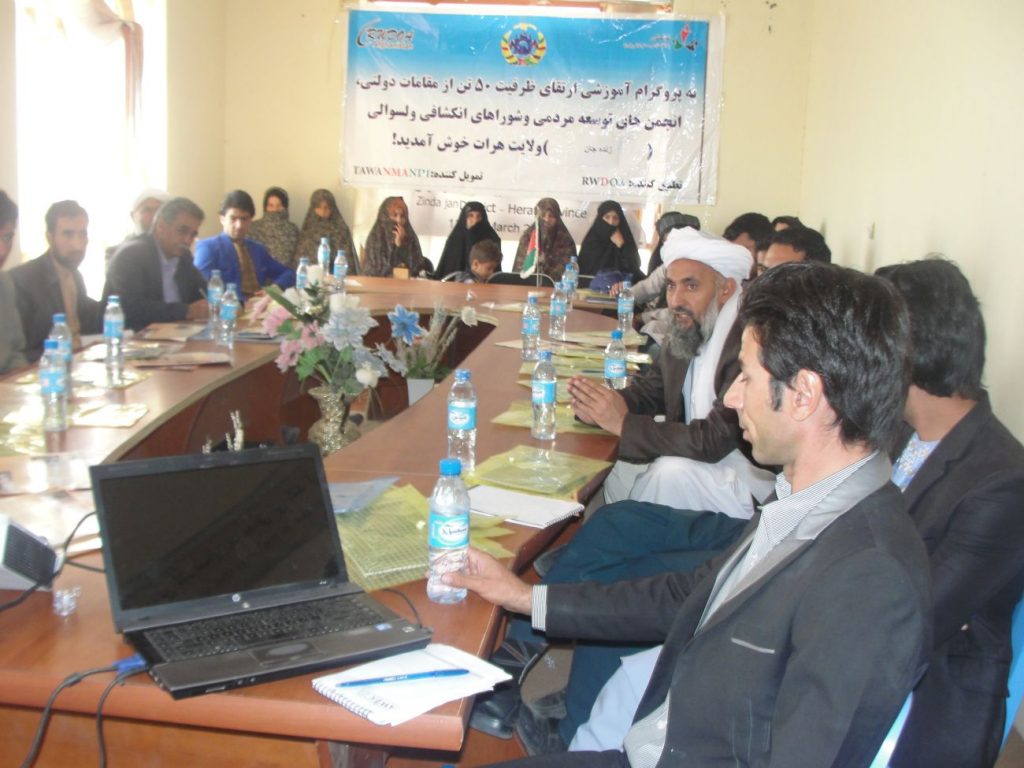
The project recognizes the important role of civil society organizations, provincial council members, Community Development Councils, and local government authorities in promoting access to justice.
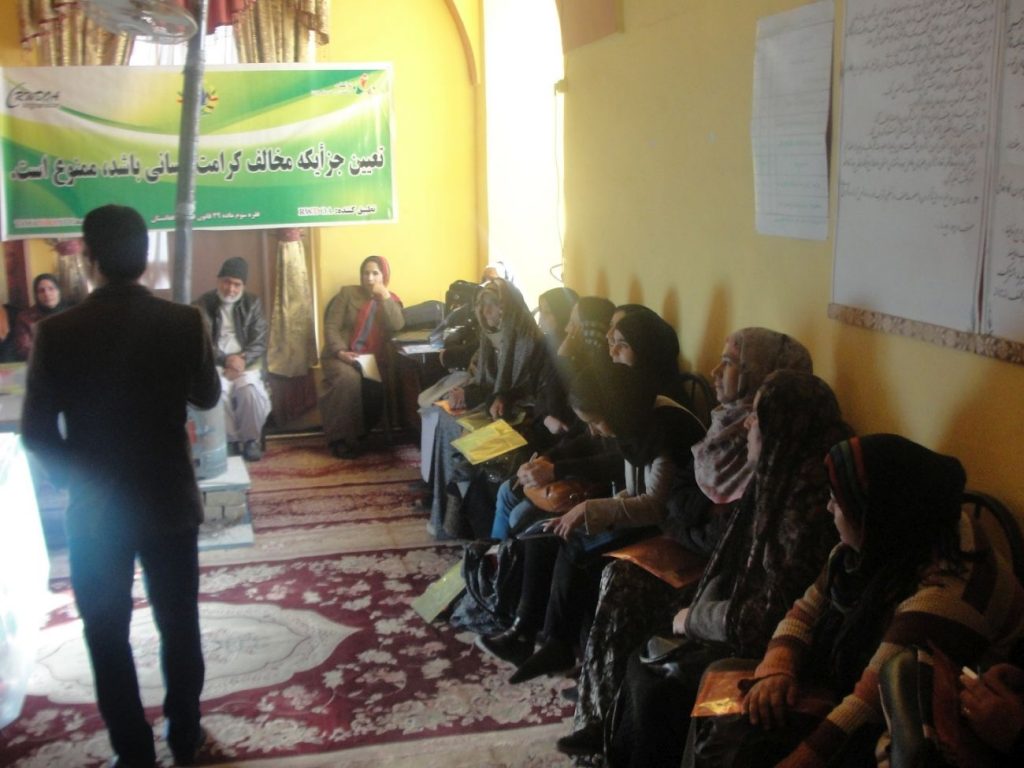
Through targeted training programs, these stakeholders will strengthen their capacity to assist citizens in accessing justice and legal aid. They will also be linked with the Citizens’ Rights Protection Center and encouraged to become active members in supporting and advocating for the rights of marginalized individuals in their communities.
Component 4: Public Awareness Raising on Civic Law and Rights
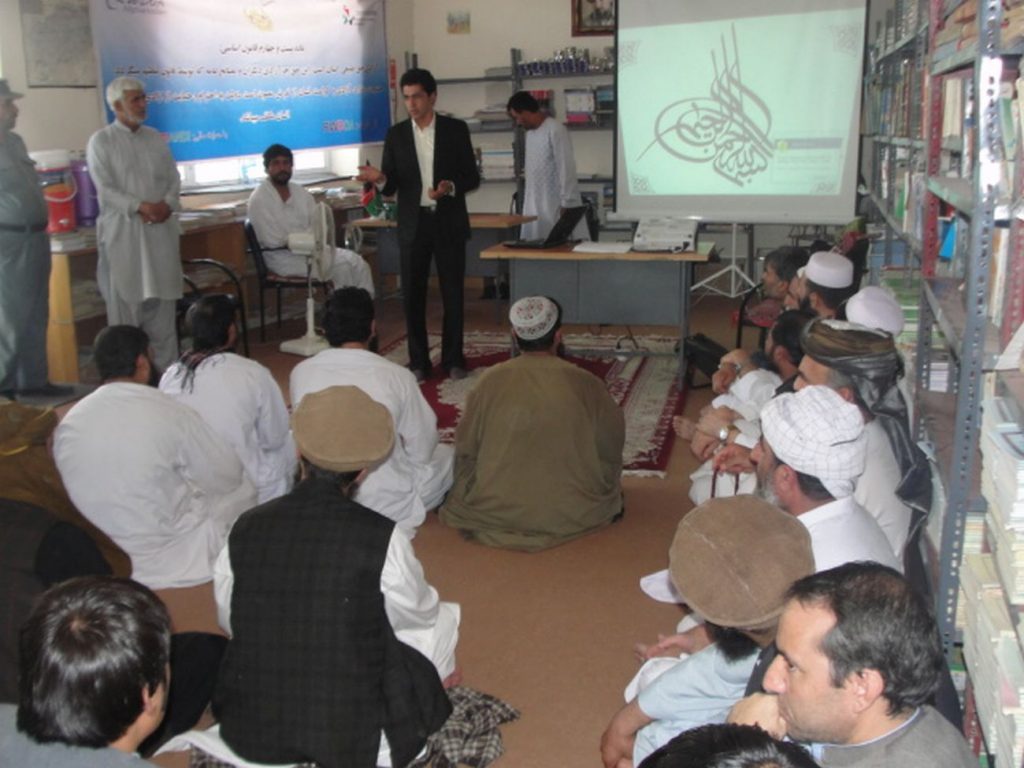
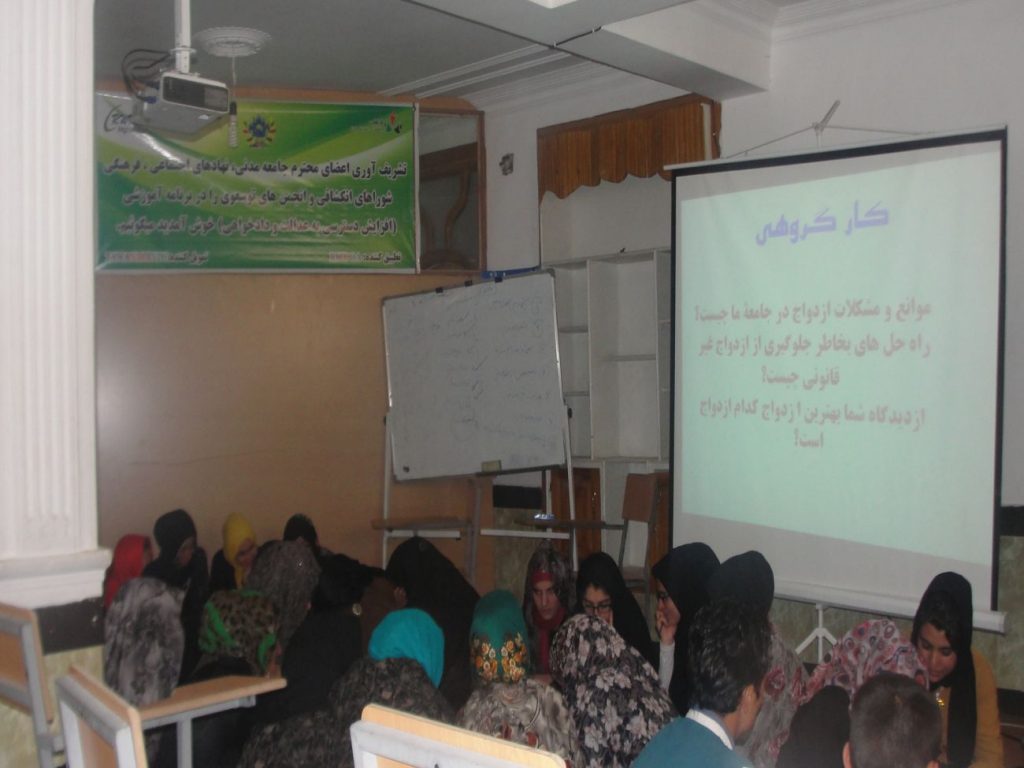
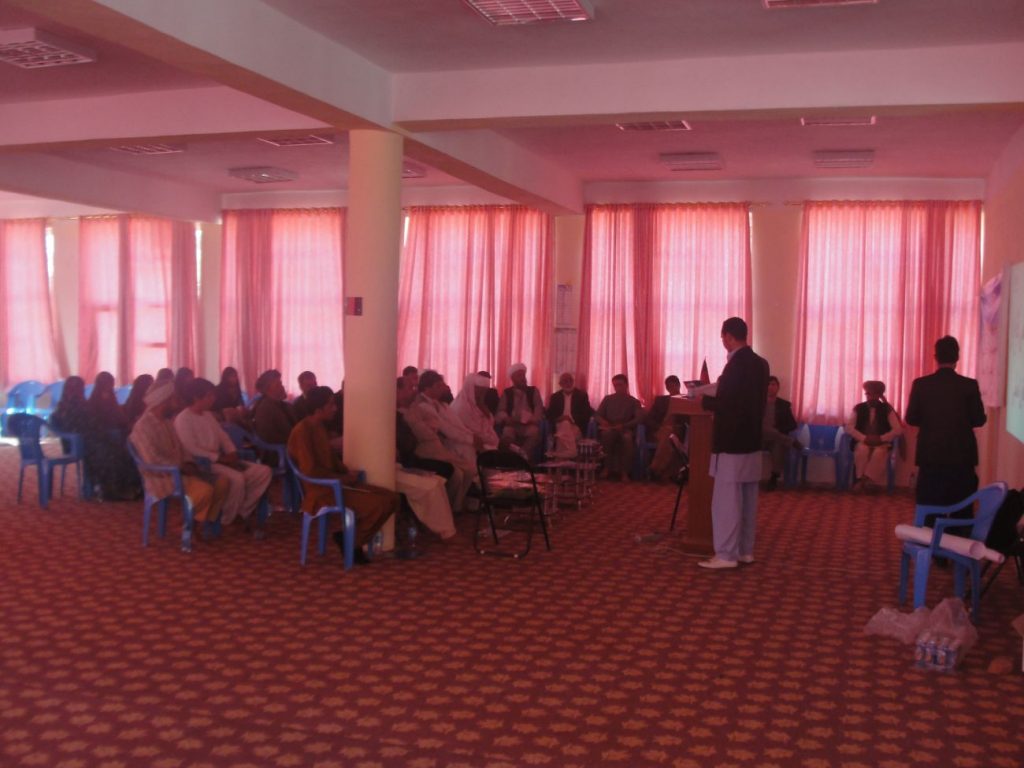
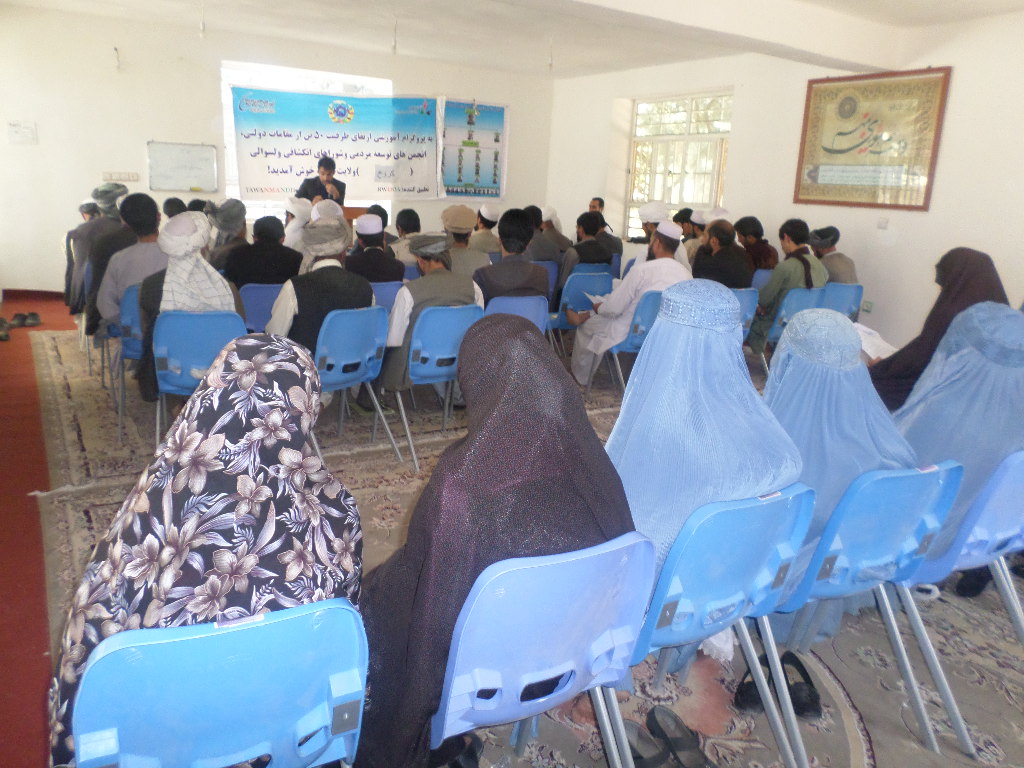
Public awareness campaigns will be conducted to increase knowledge of civic law, with a particular focus on the rights of women, youth, and children.
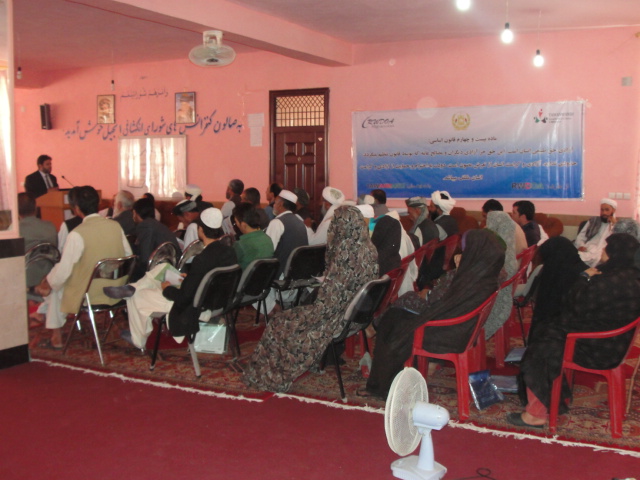
The project will use different communication channels, including media platforms, publications, community meetings, and roundtable discussions, to share information and engage the wider community. These activities aim to empower individuals to understand their rights, seek legal support when needed, and navigate the justice system more effectively.
Component 5: Improving the Professionalism of Law and Theology Students
To support the development of future legal professionals, the project will improve the professionalism of 40 senior students studying law and theology at Herat University, especially students from rural areas.
An integrated internship scheme will provide practical experience, mentoring, and exposure to real justice-related work. This will help students strengthen their skills, knowledge, and understanding of the justice system, preparing them for future legal careers and enabling them to contribute to improved access to justice in Afghanistan.
Component 6: PSEA and Safeguarding Integration
The project integrates PSEA and safeguarding measures across all activities to ensure that services are delivered in a safe, ethical, accountable, and survivor-centered manner.
RWDOA will promote awareness among staff, partners, stakeholders, and community members on expected standards of conduct, safe reporting channels, confidentiality, and respect for the dignity of all participants. Project staff and relevant stakeholders will be oriented on safeguarding principles to help prevent misconduct, respond appropriately to concerns, and ensure that vulnerable women, youth, and children can access project services without fear, discrimination, or harm.
By mainstreaming PSEA within legal awareness, counseling, referrals, trainings, coordination meetings, and community outreach, the project strengthens trust, accountability, and protection throughout implementation.
The project’s overarching objective is to create a more inclusive and accessible justice system in Herat by improving legal knowledge, institutional capacity, public awareness, professional skills, and safeguarding practices.
By empowering marginalized women, youth, and children and fostering collaboration among legal professionals, civil society organizations, local authorities, students, and communities, the project contributes to strengthening access to justice, protection, and accountability for all members of the community.